Tuesday, June 1, 2010

2009 Bugatti Sports Cars Veyron Type 35 Grand Prix Edition

In a highlight on this year’s agenda of centennial celebrations, Bugatti Automobiles S.A.S. presented four Bugatti Veyron specials at Villa d’Este Concorso d’Eleganza. These one off models are reminders of Bugatti’s glorious motor-racing history which played a central role in popularising and ultimately establishing the myth which the brand continues to enjoy to this day.
2009 Bugatti Sports Cars Veyron Type 35 Grand Prix Edition
The Bugatti brand is almost inextricably linked to the Type 35. The Type 35 Grand Prix was by far the most successful racing model. The unmistakable radiator grille and eight-spoke aluminum wheels of the Type 35 have become defining features of the Bugatti automobile. In its day, the Grand Prix was also well ahead of its time in terms of engineering ingenuity.
The front axle design of this vehicle, which, for reasons of weight minimization, is hollow, is a true masterpiece of workmanship and was deemed nothing less than revolutionary. Its springs were passed through the axle to produce a high level of stability. The Grand Prix’s brake drums were integrally fitted into its lightweight aluminum wheels. Unfastening the central wheel nut allowed the wheel to be easily removed within a matter of seconds and the brake to be exposed. This was a crucial advantage at the pit stop.
The blue racers made their first appearance on the race track at the Grand Prix held by Automobil Club de France in Lyon in 1924. In the decade that followed, they remained practically unchallenged thanks to sophisticated manufacturing efforts, their lightweight design and easy handling. During that ten-year era, they won almost 2000 races – more than any other model ever has.
Grand Prix races were highly fashionable events in those days, and Bugatti was not the only brand with considerable interest in substantiating the reputation of its products by winning races. In fact, in the 1920s, Europe was regularly host to a number of different races in different countries on a single weekend. The teams set up by different automobile manufacturers competed at popular race circuits such as Targa Florio, Le Mans, Monza and Spa as well as in Rome, Nice, Antibes and even a village in Alsace.
The main reason Bugatti won such an enormous number of races – on the back of which successes the brand was also able to forge its image – was the fact that Bugatti sold not only its normal sports and touring cars to private buyers, but its racing cars too. Thus it was that its automobiles took part in such a large number of Grand Prix events.
Tradition being what it is, the Bugatti Veyron Specials built to mark the 100th anniversary of the brand feature the racing colors of the respective countries: blue for France, red for Italy, green for England and white for Germany. Each of the four new Veyrons has a specific “predecessor” in the form of an original Grand Prix Bugatti on which it was modelled.
These four historic race cars represent the generation of legendary Bugatti Grand Prix racers which were piloted by world-famous race-car drivers and which scored countless racing victories in the 1920s and ‘30s. Each of the four Veyron Specials is named after a Bugatti race-car driver of the 1920s and 30s. Jean-Pierre Wimille has given the blue Veyron its name, Achille Varzi the red one, Malcolm Campbell the green one and Hermann zu Leiningen the white Veyron.
“We have put a lot of effort into translating colour and material, the defining characteristics of our historic role models, into the designs of the modern-day Veyrons,” explains Alasdair Stewart, Director Sales & Marketing at Bugatti Automobiles S.A.S. “We have taken extreme care to match the original colours of the original race cars, exterior and interior”
On Sunday, the four historic racing Type 35s and the four modern-day Centenaire Edition Veyrons will be exhibited alongside each other in the park of Villa Erba for the first and only time.
Ahead of that presentation, Bugatti will on Saturday be prominently represented in the park of Villa d’Este by a special-display-class exhibition of models, which will serve to portray the 100-year history of the brand. Bugatti’s participation in the classic Concorso d’Eleganza Villa d’Este at Lake Como will be the second highlight event to mark the carmaker’s centennial celebrations after it took part in the International Geneva Motor Show in early March.
This latest event will be followed by the Pebble Beach Concours d’Elegance in California in mid-August and the main celebratory event on 12 September in Molsheim (Alsace), which has been the home of this unparalleled automobile brand for 100 years.

2009 Bugatti Sports Cars Veyron Type 35 Grand Prix Edition

In a highlight on this year’s agenda of centennial celebrations, Bugatti Automobiles S.A.S. presented four Bugatti Veyron specials at Villa d’Este Concorso d’Eleganza. These one off models are reminders of Bugatti’s glorious motor-racing history which played a central role in popularising and ultimately establishing the myth which the brand continues to enjoy to this day.
2009 Bugatti Sports Cars Veyron Type 35 Grand Prix Edition
The Bugatti brand is almost inextricably linked to the Type 35. The Type 35 Grand Prix was by far the most successful racing model. The unmistakable radiator grille and eight-spoke aluminum wheels of the Type 35 have become defining features of the Bugatti automobile. In its day, the Grand Prix was also well ahead of its time in terms of engineering ingenuity.
The front axle design of this vehicle, which, for reasons of weight minimization, is hollow, is a true masterpiece of workmanship and was deemed nothing less than revolutionary. Its springs were passed through the axle to produce a high level of stability. The Grand Prix’s brake drums were integrally fitted into its lightweight aluminum wheels. Unfastening the central wheel nut allowed the wheel to be easily removed within a matter of seconds and the brake to be exposed. This was a crucial advantage at the pit stop.
The blue racers made their first appearance on the race track at the Grand Prix held by Automobil Club de France in Lyon in 1924. In the decade that followed, they remained practically unchallenged thanks to sophisticated manufacturing efforts, their lightweight design and easy handling. During that ten-year era, they won almost 2000 races – more than any other model ever has.
Grand Prix races were highly fashionable events in those days, and Bugatti was not the only brand with considerable interest in substantiating the reputation of its products by winning races. In fact, in the 1920s, Europe was regularly host to a number of different races in different countries on a single weekend. The teams set up by different automobile manufacturers competed at popular race circuits such as Targa Florio, Le Mans, Monza and Spa as well as in Rome, Nice, Antibes and even a village in Alsace.
The main reason Bugatti won such an enormous number of races – on the back of which successes the brand was also able to forge its image – was the fact that Bugatti sold not only its normal sports and touring cars to private buyers, but its racing cars too. Thus it was that its automobiles took part in such a large number of Grand Prix events.
Tradition being what it is, the Bugatti Veyron Specials built to mark the 100th anniversary of the brand feature the racing colors of the respective countries: blue for France, red for Italy, green for England and white for Germany. Each of the four new Veyrons has a specific “predecessor” in the form of an original Grand Prix Bugatti on which it was modelled.
These four historic race cars represent the generation of legendary Bugatti Grand Prix racers which were piloted by world-famous race-car drivers and which scored countless racing victories in the 1920s and ‘30s. Each of the four Veyron Specials is named after a Bugatti race-car driver of the 1920s and 30s. Jean-Pierre Wimille has given the blue Veyron its name, Achille Varzi the red one, Malcolm Campbell the green one and Hermann zu Leiningen the white Veyron.
“We have put a lot of effort into translating colour and material, the defining characteristics of our historic role models, into the designs of the modern-day Veyrons,” explains Alasdair Stewart, Director Sales & Marketing at Bugatti Automobiles S.A.S. “We have taken extreme care to match the original colours of the original race cars, exterior and interior”
On Sunday, the four historic racing Type 35s and the four modern-day Centenaire Edition Veyrons will be exhibited alongside each other in the park of Villa Erba for the first and only time.
Ahead of that presentation, Bugatti will on Saturday be prominently represented in the park of Villa d’Este by a special-display-class exhibition of models, which will serve to portray the 100-year history of the brand. Bugatti’s participation in the classic Concorso d’Eleganza Villa d’Este at Lake Como will be the second highlight event to mark the carmaker’s centennial celebrations after it took part in the International Geneva Motor Show in early March.
This latest event will be followed by the Pebble Beach Concours d’Elegance in California in mid-August and the main celebratory event on 12 September in Molsheim (Alsace), which has been the home of this unparalleled automobile brand for 100 years.

2009 Bugatti Sports Cars Veyron Type 35 Grand Prix Edition

In a highlight on this year’s agenda of centennial celebrations, Bugatti Automobiles S.A.S. presented four Bugatti Veyron specials at Villa d’Este Concorso d’Eleganza. These one off models are reminders of Bugatti’s glorious motor-racing history which played a central role in popularising and ultimately establishing the myth which the brand continues to enjoy to this day.
2009 Bugatti Sports Cars Veyron Type 35 Grand Prix Edition
The Bugatti brand is almost inextricably linked to the Type 35. The Type 35 Grand Prix was by far the most successful racing model. The unmistakable radiator grille and eight-spoke aluminum wheels of the Type 35 have become defining features of the Bugatti automobile. In its day, the Grand Prix was also well ahead of its time in terms of engineering ingenuity.
The front axle design of this vehicle, which, for reasons of weight minimization, is hollow, is a true masterpiece of workmanship and was deemed nothing less than revolutionary. Its springs were passed through the axle to produce a high level of stability. The Grand Prix’s brake drums were integrally fitted into its lightweight aluminum wheels. Unfastening the central wheel nut allowed the wheel to be easily removed within a matter of seconds and the brake to be exposed. This was a crucial advantage at the pit stop.
The blue racers made their first appearance on the race track at the Grand Prix held by Automobil Club de France in Lyon in 1924. In the decade that followed, they remained practically unchallenged thanks to sophisticated manufacturing efforts, their lightweight design and easy handling. During that ten-year era, they won almost 2000 races – more than any other model ever has.
Grand Prix races were highly fashionable events in those days, and Bugatti was not the only brand with considerable interest in substantiating the reputation of its products by winning races. In fact, in the 1920s, Europe was regularly host to a number of different races in different countries on a single weekend. The teams set up by different automobile manufacturers competed at popular race circuits such as Targa Florio, Le Mans, Monza and Spa as well as in Rome, Nice, Antibes and even a village in Alsace.
The main reason Bugatti won such an enormous number of races – on the back of which successes the brand was also able to forge its image – was the fact that Bugatti sold not only its normal sports and touring cars to private buyers, but its racing cars too. Thus it was that its automobiles took part in such a large number of Grand Prix events.
Tradition being what it is, the Bugatti Veyron Specials built to mark the 100th anniversary of the brand feature the racing colors of the respective countries: blue for France, red for Italy, green for England and white for Germany. Each of the four new Veyrons has a specific “predecessor” in the form of an original Grand Prix Bugatti on which it was modelled.
These four historic race cars represent the generation of legendary Bugatti Grand Prix racers which were piloted by world-famous race-car drivers and which scored countless racing victories in the 1920s and ‘30s. Each of the four Veyron Specials is named after a Bugatti race-car driver of the 1920s and 30s. Jean-Pierre Wimille has given the blue Veyron its name, Achille Varzi the red one, Malcolm Campbell the green one and Hermann zu Leiningen the white Veyron.
“We have put a lot of effort into translating colour and material, the defining characteristics of our historic role models, into the designs of the modern-day Veyrons,” explains Alasdair Stewart, Director Sales & Marketing at Bugatti Automobiles S.A.S. “We have taken extreme care to match the original colours of the original race cars, exterior and interior”
On Sunday, the four historic racing Type 35s and the four modern-day Centenaire Edition Veyrons will be exhibited alongside each other in the park of Villa Erba for the first and only time.
Ahead of that presentation, Bugatti will on Saturday be prominently represented in the park of Villa d’Este by a special-display-class exhibition of models, which will serve to portray the 100-year history of the brand. Bugatti’s participation in the classic Concorso d’Eleganza Villa d’Este at Lake Como will be the second highlight event to mark the carmaker’s centennial celebrations after it took part in the International Geneva Motor Show in early March.
This latest event will be followed by the Pebble Beach Concours d’Elegance in California in mid-August and the main celebratory event on 12 September in Molsheim (Alsace), which has been the home of this unparalleled automobile brand for 100 years.

Monday, May 31, 2010

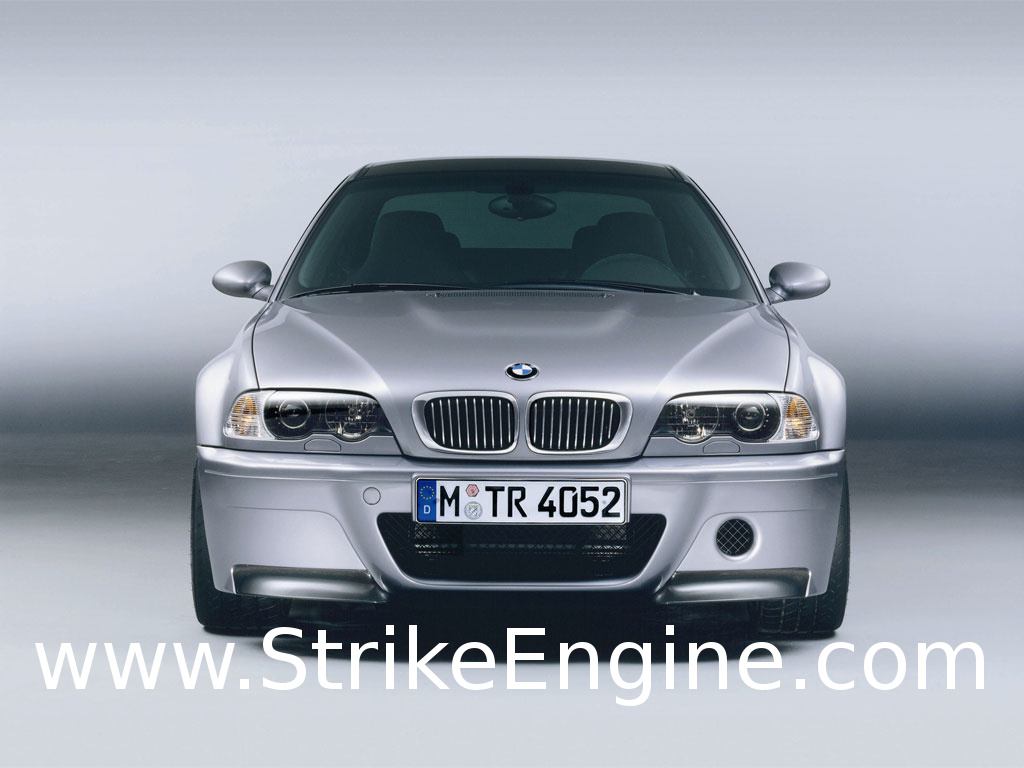
bmw m3 cars photo gallrey pictures

bmw m3 cars
bmw m3 cars
bmw m3 cars
bmw m3 cars
bmw m3 cars photo
bmw m3 cars pics
bmw m3 cars
bmw m3 cars

bmw m3 cars photo gallrey pictures

bmw m3 cars
bmw m3 cars
bmw m3 cars
bmw m3 cars
bmw m3 cars photo
bmw m3 cars pics
bmw m3 cars
bmw m3 cars

CAN AM SPYDER Raffi Ahmad

Engine
Manufacturer................................BRP-Rotax
Type.............................................. 990 V-Twin
Displacement...............................60.90 in3 (998cc)
Bore.............................................. 3.82 in (97 mm)
Stroke...........................................2 .68 in (68 mm)
Cylinder........................................2
Valves per cylinder.......................DOHC 4
Max output...................................106 hp @ 8500 rpm
(79 kW @ 8500 rpm)
Max torque...................................77 lb-ft @ 6250 rpm
(104.3 Nm @ 6250 rpm)
Compression ratio........................10.8:1
Ignition type.................................Electronic ignition with
dual output coil
Lubrication....................................5W4 0 BRP synthetic oil
Exhaust system.............................2-into-1 with catalytic converter
Cooling.........................................Li quid cooled
Injection........................................M ulti-point EFI with 57 mm
diameter throttle bodies

Drive Train
Gear box......................................Sequentia l Manual 5-Speed (SM5)
with transmission-based reverse
Optional gear box........................Sequential Electronic 5-Speed (SE5)
with transmission-based reverse
Final drive.....................................28/79 ratio final drive with
Carbon-reinforced drive belt
Clutch...........................................W et, multi-plate, manual or electronic
operation through a hydraulic piston

Electric Equipment
Magneto.......................................500 Watt
Starter........................................... Electric
Battery..........................................D ry Cell, 12V, 21 Amp

Geometry
Front suspension..........................Double A-Arm with anti-roll bar
Front suspension travel................5.67 in (144 mm) with adjustable cam
Rear suspension...........................Swing-arm with monoshock
Rear suspension travel.................5.71 in (145 mm) with adjustable cam
Chassis type.................................SST Spyder
(Surrounding Spar Technology)
Steering........................................DP S (Dynamic Power Steering)

Tires & Wheels
Front tire.......................................KR21 165/65R14
Front nominal pressure................13-17 psi (89-117 kPa)
Rear tire........................................KR21 225/50R15
Rear nominal pressure..................26-30 psi (179-207 kPa)
Wheel size, front...........................Aluminum 14x5 (355x127)
Wheel size, rear............................Aluminum 15x7 (381x178)

Brakes
Type..........................................Foot-actuated, fully integrated
hydraulic 3-wheel braking system
Front braking system................4 piston calipers with 10.2 in x 0.25 in
(260 mm x 6 mm) discs
Rear braking system.................Single-piston caliper with 10.2 in x 0.25 in
(260 mm x 6 mm) disc
EBD..........................................Elect ronic Brake Distribution
ABS...........................................Anti-lock Braking System
Parking brake...........................Mechanical, foot actuated to the
rear caliper

Safety & Security
VSS...........................................Vehi cle Stability System
ABS...........................................Anti-lock Braking System
TCS...........................................Trac tion Control System
SCS...........................................Stab ility Control System with
Roll-Over Mitigation
DPS...........................................Dyna mic Power Steering
DESS.........................................Digit ally Encoded Security System

Vehicle Dimensions & Weights
Dry vehicle weight....................697 lbs (316 kg)
Front storage capacity.............2,685 in3 (44 l)
Front max load capacity...........30 lbs (15.9 kg)
Total vehicle load allowed........440 lbs (200 kg)
Fuel capacity............................6.6 US gal (25 l)
Oil capacity..............................1.19 US gal (4.5 l)
Coolant capacity......................0.85 US gal (3.2 l)
GVWR.......................................1,188 lbs (540 kg)
Ground clearance.....................4.5 in (115 mm)
Vehicle overall height...............45.1 in (1,145 mm)
Vehicle overall length...............105 in (2,667 mm)
Vehicle overall width................59.3 in (1,506 mm)
Seat (top) height.......................29 in (737 mm)
Wheel base..............................68 in (1,727 mm)
Wheel track, front.....................51.5 in (1,308 mm)
Type of gas...............................Unleaded, 87 octane minimum

Features & Main Options
Color choices...........................Full Moon
Millennium Yellow
Roadster Red
Instrumentation........................Dual analog and LCD w/speedometer,
tachometer, electric fuel gauge,
daily trip (A & B) meters, engine
temperature, ambient temperature
and gear position indicator. Information
displayed in either metric or US Standards
Main options............................Fog lights, xenon lights,
mono seat cover, racing exhaust pipe,
travel bags, cargo liner, passenger
backrest, low and high windshields


width: 568px; height: 400px;"

CAN AM SPYDER Raffi Ahmad

Engine
Manufacturer................................BRP-Rotax
Type.............................................. 990 V-Twin
Displacement...............................60.90 in3 (998cc)
Bore.............................................. 3.82 in (97 mm)
Stroke...........................................2 .68 in (68 mm)
Cylinder........................................2
Valves per cylinder.......................DOHC 4
Max output...................................106 hp @ 8500 rpm
(79 kW @ 8500 rpm)
Max torque...................................77 lb-ft @ 6250 rpm
(104.3 Nm @ 6250 rpm)
Compression ratio........................10.8:1
Ignition type.................................Electronic ignition with
dual output coil
Lubrication....................................5W4 0 BRP synthetic oil
Exhaust system.............................2-into-1 with catalytic converter
Cooling.........................................Li quid cooled
Injection........................................M ulti-point EFI with 57 mm
diameter throttle bodies

Drive Train
Gear box......................................Sequentia l Manual 5-Speed (SM5)
with transmission-based reverse
Optional gear box........................Sequential Electronic 5-Speed (SE5)
with transmission-based reverse
Final drive.....................................28/79 ratio final drive with
Carbon-reinforced drive belt
Clutch...........................................W et, multi-plate, manual or electronic
operation through a hydraulic piston

Electric Equipment
Magneto.......................................500 Watt
Starter........................................... Electric
Battery..........................................D ry Cell, 12V, 21 Amp

Geometry
Front suspension..........................Double A-Arm with anti-roll bar
Front suspension travel................5.67 in (144 mm) with adjustable cam
Rear suspension...........................Swing-arm with monoshock
Rear suspension travel.................5.71 in (145 mm) with adjustable cam
Chassis type.................................SST Spyder
(Surrounding Spar Technology)
Steering........................................DP S (Dynamic Power Steering)

Tires & Wheels
Front tire.......................................KR21 165/65R14
Front nominal pressure................13-17 psi (89-117 kPa)
Rear tire........................................KR21 225/50R15
Rear nominal pressure..................26-30 psi (179-207 kPa)
Wheel size, front...........................Aluminum 14x5 (355x127)
Wheel size, rear............................Aluminum 15x7 (381x178)

Brakes
Type..........................................Foot-actuated, fully integrated
hydraulic 3-wheel braking system
Front braking system................4 piston calipers with 10.2 in x 0.25 in
(260 mm x 6 mm) discs
Rear braking system.................Single-piston caliper with 10.2 in x 0.25 in
(260 mm x 6 mm) disc
EBD..........................................Elect ronic Brake Distribution
ABS...........................................Anti-lock Braking System
Parking brake...........................Mechanical, foot actuated to the
rear caliper

Safety & Security
VSS...........................................Vehi cle Stability System
ABS...........................................Anti-lock Braking System
TCS...........................................Trac tion Control System
SCS...........................................Stab ility Control System with
Roll-Over Mitigation
DPS...........................................Dyna mic Power Steering
DESS.........................................Digit ally Encoded Security System

Vehicle Dimensions & Weights
Dry vehicle weight....................697 lbs (316 kg)
Front storage capacity.............2,685 in3 (44 l)
Front max load capacity...........30 lbs (15.9 kg)
Total vehicle load allowed........440 lbs (200 kg)
Fuel capacity............................6.6 US gal (25 l)
Oil capacity..............................1.19 US gal (4.5 l)
Coolant capacity......................0.85 US gal (3.2 l)
GVWR.......................................1,188 lbs (540 kg)
Ground clearance.....................4.5 in (115 mm)
Vehicle overall height...............45.1 in (1,145 mm)
Vehicle overall length...............105 in (2,667 mm)
Vehicle overall width................59.3 in (1,506 mm)
Seat (top) height.......................29 in (737 mm)
Wheel base..............................68 in (1,727 mm)
Wheel track, front.....................51.5 in (1,308 mm)
Type of gas...............................Unleaded, 87 octane minimum

Features & Main Options
Color choices...........................Full Moon
Millennium Yellow
Roadster Red
Instrumentation........................Dual analog and LCD w/speedometer,
tachometer, electric fuel gauge,
daily trip (A & B) meters, engine
temperature, ambient temperature
and gear position indicator. Information
displayed in either metric or US Standards
Main options............................Fog lights, xenon lights,
mono seat cover, racing exhaust pipe,
travel bags, cargo liner, passenger
backrest, low and high windshields


width: 568px; height: 400px;"